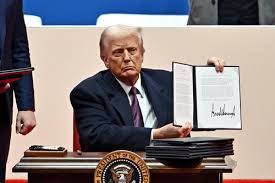
In a move that has sparked intense debate, Donald Trump, the 45th President of the United States, ordered the country’s withdrawal from the World Health Organization (WHO). This decision was made official on January 20, 2025, with the signing of an executive order.
Reasons Behind the Withdrawal
According to Trump, the WHO’s handling of the COVID-19 pandemic, its failure to adopt necessary reforms, and its inability to demonstrate independence from political influence were key factors in his decision ¹. Additionally, Trump cited the disproportionately high payments required from the United States compared to other countries, including China.
Key Provisions of the Executive Order
The executive order outlines several key provisions, including:
Withdrawal from the WHO: The United States will formally withdraw from the WHO, effective immediately.
Revocation of Previous Orders: Trump’s order revokes previous orders, including Executive Order 13987, which aimed to combat COVID-19 and provide global health leadership.
Establishment of New Directorates: The Assistant to the President for National Security Affairs will establish new directorates and coordinating mechanisms to safeguard public health and biosecurity.
Redirection of Funds: The Secretary of State and the Director of the Office of Management and Budget will pause future funding to the WHO and redirect resources to alternative global health partners.
Implications and Reactions
Trump’s decision to withdraw from the WHO has been met with both support and criticism. While some argue that the move will allow the United States to redirect resources to more effective global health initiatives, others express concerns about the potential consequences for global health cooperation and the COVID-19 response.
As the situation continues to unfold, one thing is clear: Trump’s withdrawal from the WHO marks a significant shift in the United States’ approach to global health governance.